
Assisted living can encourage older adults to remain physically, socially, and mentally active by making daily movement easier, safer, and more enjoyable. The goal is not strenuous exercise. It is helping residents maintain strength, confidence, independence, and connection through activities that fit their abilities and interests.
What does an active lifestyle mean in assisted living?
An active lifestyle includes more than formal workouts. It may involve walking to meals, participating in a group activity, tending plants, playing a game, attending a discussion, or helping with a community event.
For many older adults, activity is best measured by regular participation rather than intensity. A resident who takes several short walks, joins a stretching class, and spends time socializing may receive meaningful physical and mental benefits without following a demanding exercise routine.
Assisted living communities often support several types of activity:
- Physical activity: Walking, stretching, balance exercises, dancing, strength-building movements, and recreational games
- Social activity: Shared meals, conversation groups, celebrations, clubs, and cooperative projects
- Mental activity: Puzzles, reading groups, educational talks, music, crafts, and memory-focused games
- Purposeful activity: Gardening, organizing materials, mentoring others, helping decorate, or participating in household routines
A well-rounded schedule gives residents choices instead of treating exercise as a single required task.
How does assisted living make movement easier?
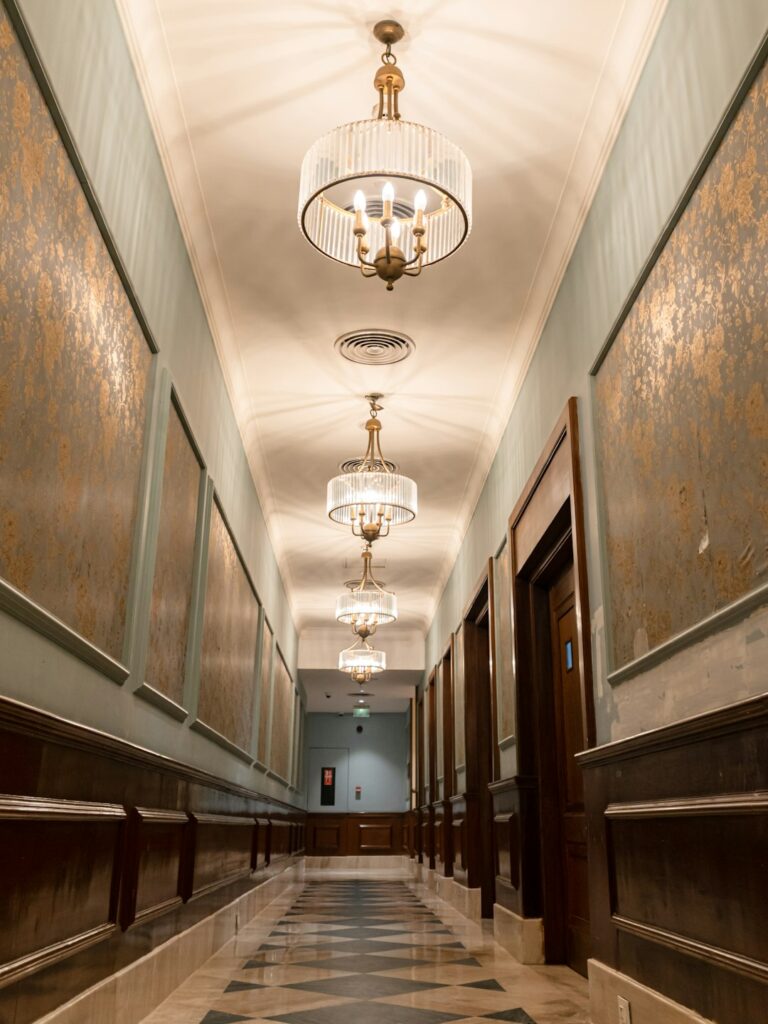
A major benefit is that daily necessities are often arranged within a manageable environment. Residents may be able to walk between their apartment, dining area, activity rooms, lounges, and outdoor spaces without dealing with long travel distances, difficult stairs, or unsafe household obstacles.
This design can create natural movement throughout the day. Short walks repeated several times may be more comfortable and realistic than one long workout.
Communities may also provide:
- Handrails and well-lit walking routes
- Seating areas for rest breaks
- Elevators or accessible pathways
- Indoor spaces for walking during poor weather
- Activity rooms with room for mobility devices
- Outdoor areas where residents can sit, walk, or participate in seasonal activities
For residents in Jessup, PA, indoor options can be especially useful during icy winter conditions, heavy rain, or hot, humid summer days. Safe indoor walking and activity areas help residents stay involved when outdoor conditions are uncomfortable or hazardous.
What types of exercise are commonly offered?
Programs vary, but assisted living activity schedules often include low-impact options designed for different ability levels. These may include seated exercises, chair yoga, gentle stretching, balance practice, walking groups, and light resistance exercises.
The purpose of these programs is usually to support everyday function. Movements may focus on abilities such as:
- Rising from a chair
- Reaching for items on a shelf
- Turning safely
- Maintaining balance while standing
- Carrying lightweight objects
- Walking with greater confidence
- Using the hands for dressing, grooming, or hobbies
Some residents may be able to participate in standing exercises, while others may need seated modifications. A resident should not feel excluded because of limited mobility. Activities can often be adjusted for people who use walkers, wheelchairs, canes, or other mobility aids.
Anyone with a new health concern, recent fall, significant pain, or a change in physical ability may need individualized guidance before beginning a new exercise routine. Safety should take priority over keeping pace with a group.
How do social activities promote physical activity?
Social connection can make movement feel more worthwhile. Residents are often more likely to attend a walking group, dance activity, gardening project, or recreational game when the experience includes conversation and companionship.
Group activities may also reduce the self-consciousness some people feel about exercising alone. A resident who is reluctant to use an exercise room may be comfortable joining a short walk with neighbors or participating in music and movement.
Social activities that involve light movement can include:
- Partner dancing or rhythm exercises
- Group walks
- Bocce-style games or indoor recreation
- Gardening and plant care
- Craft projects that involve standing or moving between work areas
- Seasonal decorating
- Community celebrations with music
Participation does not need to be competitive. The social benefit may be just as valuable as the physical activity.
Can assisted living support residents with different abilities?
Yes. Effective activity programming recognizes that residents have different health histories, energy levels, and mobility needs. A former athlete, a person recovering from illness, and someone living with arthritis may all need different ways to participate.
An inclusive program may offer several versions of the same activity. For example, a balance class could include standing exercises near a sturdy support, seated movements, and simpler range-of-motion exercises.
Residents and families may want to ask:
- Are activities adapted for different mobility levels?
- Are seated and standing options available?
- Can residents take breaks without feeling pressured?
- Are mobility devices accommodated?
- Is outdoor activity available when weather permits?
- Are activities scheduled at different times of day?
- Can personal interests be incorporated into the activity calendar?

These questions help identify whether the daily routine is genuinely flexible rather than designed for only the most active residents.
Why is routine helpful for staying active?
Regular scheduling can make activity easier to remember and easier to anticipate. A morning stretching session, an afternoon walking period, or a recurring game can become part of a resident’s normal rhythm.
Routine may also help residents manage energy. Some people are more alert in the morning, while others prefer activity later in the day. A flexible schedule allows residents to choose times when they feel strongest.
A consistent routine can support:
- Better confidence with movement
- More frequent social contact
- Improved familiarity with walking routes
- Greater willingness to try new activities
- A sense of purpose during the day
At the same time, residents should have opportunities for rest. Staying active does not mean filling every hour with scheduled events.
What can families do to encourage activity?
Family members can support an active lifestyle by focusing on enjoyment and function rather than performance. Asking about a favorite activity, joining a short walk during a visit, or bringing photographs for a memory-based conversation may encourage participation.
Helpful approaches include:
- Asking what activities feel enjoyable
- Celebrating regular participation rather than athletic achievement
- Choosing comfortable clothing and supportive footwear
- Allowing extra time for walking and transitions
- Avoiding pressure when a resident is tired or unwell
- Sharing information about hobbies, past occupations, and personal interests
A resident who dislikes organized exercise may still enjoy music, gardening, folding laundry, setting a table, or walking to visit a friend. These ordinary activities can contribute to movement and a sense of usefulness.
How should safety be handled?
Safety involves more than preventing falls. Residents should be able to participate without excessive pain, exhaustion, dizziness, or fear. Activities should include clear instructions, appropriate pacing, and access to rest.
Weather also matters. In northeastern Pennsylvania, snow, ice, wet pavement, and rapid temperature changes can affect outdoor mobility. Indoor alternatives are useful during unsafe conditions. During warm weather, hydration, shade, and appropriate timing can help reduce heat-related strain.
Warning signs that activity should stop include chest discomfort, unusual shortness of breath, faintness, sudden weakness, confusion, or severe pain. New or worsening symptoms require prompt medical attention.
An active lifestyle in assisted living is built through frequent opportunities to move, connect, think, and participate. The most useful programs are adaptable, welcoming, and connected to residents’ real interests and everyday abilities.
