
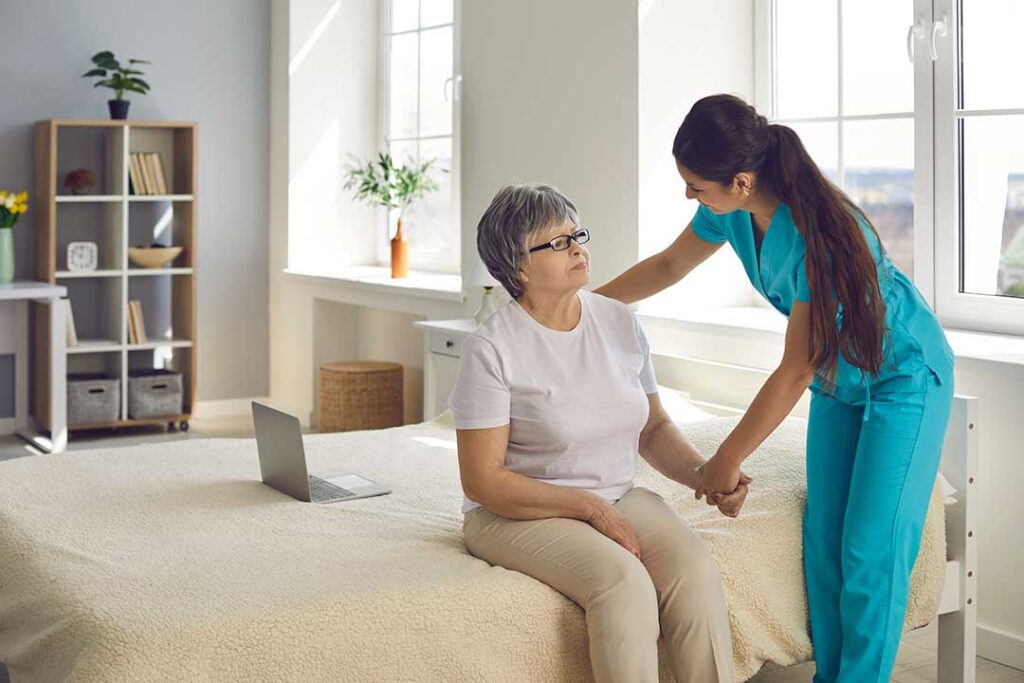
Visiting someone in assisted living can provide companionship, reassurance, and a welcome connection to familiar people. Good visiting etiquette is less about following rigid rules and more about respecting the resident’s schedule, health, privacy, energy level, and personal preferences.
Should visitors call ahead before arriving?
Yes. Calling ahead is usually the most considerate approach, even when visitors are family members or close friends. Assisted living communities often have visiting hours, sign-in procedures, scheduled activities, meal times, and health-related precautions that can affect a visit.
A resident may also have appointments, personal care routines, quiet hours, or planned outings. An unexpected arrival can be tiring or disruptive, particularly for someone who has memory loss, limited stamina, or difficulty adjusting to changes in routine.
Before visiting, ask:
- What days and times are best?
- Does the community require visitors to sign in?
- Are there current illness-related precautions?
- Would the resident prefer a private visit or a visit in a common area?
- Is there anything the resident needs brought from home?
A short phone call or message can prevent confusion and help the resident feel prepared.
What should visitors do when they arrive?
Visitors should follow the community’s entry and safety procedures. This may include signing in, wearing a visitor badge, checking in with staff, or using a secured entrance.
If the resident is not immediately available, visitors should wait patiently rather than entering private areas or searching through rooms. Staff may need time to locate the resident, finish a care task, or determine whether the resident is resting.
Visitors should also avoid blocking hallways, exits, elevators, or areas used for mobility equipment. In assisted living settings, walkers, wheelchairs, medication carts, and emergency equipment need clear passage.
If a resident shares a room, visitors should be mindful of the roommate’s privacy. A greeting is polite, but extended conversation, loud phone calls, or discussions about personal matters should take place away from the roommate whenever possible.
How long should a visit last?
A visit should last as long as the resident remains comfortable and engaged. There is no universal ideal length. For some residents, 20 or 30 minutes may be enjoyable. Others may appreciate a longer visit, while some may become tired after only a short conversation.
Signs that a resident may need a break include:
- Looking away or closing their eyes
- Becoming unusually quiet or restless
- Repeating that they are tired
- Showing difficulty following the conversation
- Asking about the time or next activity
- Becoming irritable or overwhelmed
Ending a visit before the resident becomes exhausted is often more thoughtful than staying too long. Visitors can say, “It was good to spend time with you. I’ll let you rest now,” without making the resident feel rejected.
Short, regular visits may be easier to manage than occasional visits that last several hours.
What topics make good conversation?
The best conversations usually focus on the resident’s interests, memories, opinions, and present comfort. Visitors can bring familiar photographs, discuss family updates, look through magazines, listen to music, or talk about ordinary daily events.
Helpful conversation starters include:
- “What have you been enjoying this week?”
- “Would you like to look at these photos?”
- “Do you remember this family gathering?”
- “Would you like to sit by the window or go to a common area?”
- “What would make today more comfortable?”
Visitors should avoid turning every visit into a test of memory. If a resident forgets a name, date, or event, correcting them repeatedly may cause embarrassment. Gentle redirection is usually more comfortable than arguing.
If the resident tells a story inaccurately, the goal does not always need to be factual correction. A visitor can respond to the emotion behind the story and continue the conversation in a supportive way.
What topics or behaviors should visitors avoid?
Visitors should avoid discussing private medical information, family disagreements, finances, or other sensitive matters in shared spaces. Conversations about a resident’s care should not take place where roommates, guests, or other residents can overhear.
Visitors should also avoid:
- Speaking about the resident as if they are not present
- Criticizing staff in front of the resident
- Bringing up upsetting family conflicts without a clear reason
- Pressuring the resident to eat, walk, participate, or stay awake
- Rearranging belongings without permission
- Taking photographs or videos without consent

If a concern about care arises, it should be discussed calmly and privately with the appropriate staff member. A resident’s room is still personal space, even within a community setting.
Can children visit assisted living residents?
Children can make visits lively and meaningful, but preparation helps. Children should understand that some residents may speak slowly, repeat questions, use mobility equipment, or need quiet surroundings.
Before the visit, explain simple expectations:
- Use an indoor voice.
- Ask before touching personal belongings.
- Walk rather than run.
- Stay with the accompanying adult.
- Respect a resident who does not want a hug or close contact.
A short activity may work better than asking a child to sit quietly for a long period. Drawing, looking at photographs, reading a short book, or sharing a simple game can give the visit structure.
Visitors should also supervise children closely in hallways, elevators, dining areas, and outdoor spaces. This is especially important in communities where residents may have balance concerns or require unobstructed paths.
Should visitors bring food, gifts, or pets?
Food should not be brought without checking first. Residents may have diabetes, swallowing difficulties, allergies, dietary restrictions, or medication-related limitations. Even a familiar snack may not be appropriate.
The same caution applies to supplements, herbal products, and over-the-counter medicines. These should never be given without approval through the resident’s established care process.
Simple gifts may be welcome, such as photographs, cards, large-print reading materials, or seasonal decorations that fit the resident’s preferences. Avoid bringing clutter or items that create trip hazards.
Pets can be comforting, but animal visits usually require advance approval and must follow community rules. The animal should be healthy, controlled, and comfortable around unfamiliar people. Seasonal conditions in Jessup, including icy walkways or extreme cold, may also affect whether an outdoor visit is practical. Indoor arrangements may be safer when weather creates mobility risks.
What if the visitor is sick?
Visitors should postpone a visit if they have fever, vomiting, diarrhea, a significant cough, or other symptoms that could spread illness. This is particularly important because older adults and people with chronic medical conditions may face greater complications from infections.
A phone call, video conversation, letter, or short recorded message can help maintain connection until an in-person visit is appropriate. Visitors should also follow any temporary precautions communicated by the community, especially during periods of increased respiratory or gastrointestinal illness.
Hand hygiene before and after the visit is a simple way to reduce the spread of germs. Visitors should avoid touching medical equipment, medications, or care supplies unless staff specifically direct them to do so.
How should visitors handle changes in the resident’s mood or abilities?
A resident may seem different from one visit to the next. Hearing loss, fatigue, medication effects, pain, memory changes, depression, or illness can affect communication and behavior.
Visitors can help by:
- Speaking clearly and facing the resident
- Reducing background noise
- Allowing extra time for responses
- Offering limited choices instead of many questions
- Remaining calm if the resident becomes confused
- Sharing notable changes with staff privately
A sudden change in alertness, speech, balance, breathing, or behavior should be brought to staff attention promptly. Visitors should not attempt to diagnose the cause or provide medical treatment themselves.
Respectful visits are flexible. The resident’s comfort, dignity, and right to choose should guide the pace, setting, conversation, and length of each visit.
